If you’re researching new TVs, you’ve likely narrowed your options down to Philips and Samsung. Both companies make well-regarded smart TVs packed with features, but there are key differences worth understanding before you pick one over the other.
This guide compares Philips and Samsung televisions across 10 categories to help you find the right fit for your viewing habits and budget.
- Samsung QLED panels deliver superior brightness with up to 4,000 nits on Neo QLED models, outperforming Philips in well-lit rooms
- Philips Ambilight is exclusive to Philips TVs, projecting synchronized colors onto surrounding walls for a viewing experience no Samsung model can match
- Philips TVs have stronger built-in speakers through a partnership with Bowers & Wilkins, reducing the need for a separate soundbar
- Samsung dominates global market share at over 30% of unit shipments, ranking #1 worldwide compared to Philips at #5
- Philips offers lower entry prices on 32-43 inch models, often costing $100+ less than comparable Samsung options
#Philips vs Samsung TVs Overview
Philips and Samsung have been at the top of the television industry for decades, each pushing display technology and smart platforms forward.
As 2026 models roll out, many shoppers find themselves torn deciding between:
-
Philips - a pioneering brand focused on bold innovations to enhance the viewing experience through unique integrations like Ambilight mood lighting. Philips TVs excel at upscaling lower quality content through proprietary processors like P5. They aim to compete through features you can’t find anywhere else.
-
Samsung - an industry leader obsessing over premium display quality through QLED/OLED panels with near infinite contrast and brightness optimization. Samsung holds the largest global market share by pricing its flagship televisions competitively compared to rivals.
While no clear winner emerges in every category, our detailed analysis helps identify ideal scenarios when one brand outshines the other.
#How Does Picture Quality Compare Between Philips and Samsung?
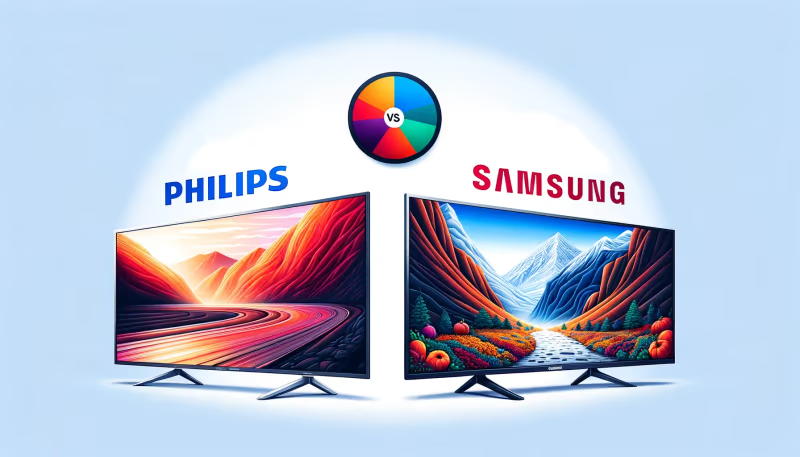
Most buyers prioritize visual performance above all else when evaluating a new television. Samsung and Philips both push picture quality boundaries through different approaches:
Philips TV Picture Technology
-
OLED - Self-illuminating pixels with near infinite contrast, ideal for dark room viewing
-
Ambilight - LEDs around the TV synchronize colors and brightness with on-screen content for a more immersive experience
-
P5 AI Processor - Upscales lower quality content close to 4K through machine learning algorithms
Samsung TV Display Technology
-
QLED - Quantum dot filters in LED TVs enable over a billion color variations with 100% DCI-P3 for rich images
-
Neo QLED - Mini-LED backlight optimization pushes brightness up to 4,000 nits with nearly infinite contrast ratios
Experts assessing picture quality consider color range, contrast, brightness, motion handling, upscaling and more. Based on these metrics:
-
Samsung QLED TVs beat Philips hands down. Quantum dot and mini-LED advances allow Samsung panels to deliver far more vivid images with better contrast, especially in bright viewing environments like garages.
-
Philips OLED TVs rival Samsung thanks to self-illuminating pixels producing deep blacks. But they sometimes fall behind when processing fast motion scenes.
If analyzing picture quality in isolation, Samsung wins this category through its QLED and premium OLED options catering to every budget.
Philips counters through unique ambiance features like Ambilight that are exclusive to its models.
#Which Brand Has Better Sound Quality?
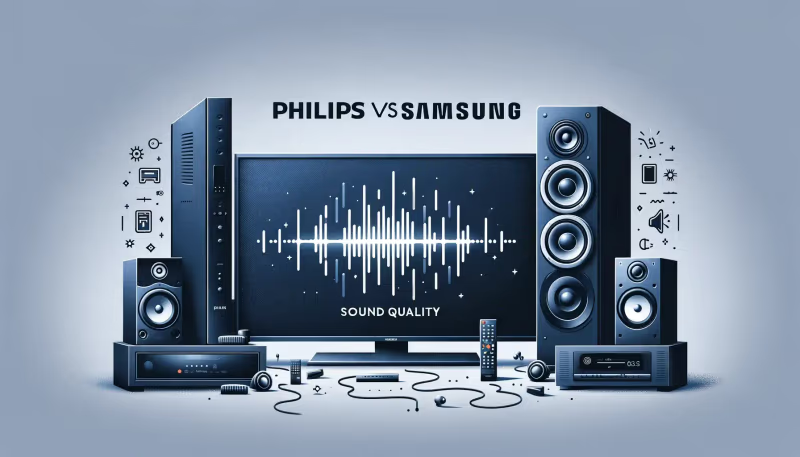
While audio often gets overlooked behind flashy display spec sheets, it remains crucial for an immersive experience when enjoying movies, sports and Xbox/PS5 gaming.
Both Philips and Samsung integrate Dolby Atmos across premium models. But key differences emerge:
Philips TV Audio Technologies
-
Bowers & Wilkins - Partnership with the British speaker company to tune and certify audio
-
DTS Play-Fi - Stream sound wirelessly from the TV to compatible speakers and soundbars
-
AI Sound - Uses machine learning to optimize audio settings based on content type
Samsung TV Audio Advances
-
Object Tracking Sound - Sound effects pan between left and right channels matching on-screen action
-
Q-Symphony - Syncs Samsung soundbar audio with TV speakers for an amplified surround effect
-
Active Voice Amplifier - Enhances dialogue clarity so viewers never miss key lines
Analyzing the built-in sound systems:
-
Philips TVs tend to offer superior built-in audio through collaborations with sound experts like Bowers & Wilkins, even without a soundbar.
-
Samsung TVs focus on surround soundbars rather than onboard speakers. They provide deeper integration for owners buying into the Samsung audio ecosystem.
For buyers unwilling to purchase a premium surround sound system, Philips provides better sound out-of-the-box. Samsung offers smarter expansion options through soundbars like the Q990B.
For the absolute best audio experience, consider investing in a home theater system.
#Smart TV Platform Comparison
Smart platforms power critical integrated apps like Netflix and Disney+ along with voice assistants to control TVs hands-free. A clumsy interface can make or break the experience.
Here’s how the Philips and Samsung smart systems compare:
Philips Smart TV OS
-
Android TV - Rows of apps and recommendations with Chromecast built-in for easy casting
-
Google Assistant - Far-field voice assistant to open apps, search for content and control smart home devices
-
Apps - Access to most popular apps and games through the Google Play Store
Samsung Smart TV OS
-
Tizen - Custom OS with tabs connecting to external devices, apps, streaming services and ambient modes
-
Bixby - Proprietary voice assistant to interact with the TV and other Samsung devices. Accuracy lags behind Google Assistant.
-
Apps - Contains all critical streaming platforms. Selection isn’t as broad as Android TV.
Analyzing smart functionality:
-
Samsung Tizen platform offers better device integration, gaming and ambient modes. The interface feels quicker and more responsive.
-
Philips Android TV provides wider app selection and far better voice control via Google Assistant. Chromecast built-in enables effortless streaming from phones. If you own a Philips TV, you can also set up AirPlay for Apple device streaming.
For most buyers, Philips with Android TV provides the smarter pick through universal compatibility and Google Assistant. Samsung ambient modes appeal to design-conscious viewers wanting TVs that blend into living spaces when turned off.
#Design Comparison
While picture quality remains paramount, aesthetics still play an integral role when displaying televisions as centerpieces across modern living rooms.
Here’s how Philips and Samsung TV design philosophies differ:
Philips TV Design
-
Premium Styling - High-end models feature minimalist aluminum stands and ultra-thin bezels, perfect for wall mounting
-
Ambilight - LEDs around the TV synchronize colors with on-screen video for a unique ambient effect
-
Durable Construction - Many models use hard plastics across borders and back panel for rigidity
Samsung TV Design
-
Ultra-Thin Bezels - Virtually invisible bezels transform latest QLEDs into striking monoliths, especially while wall mounted
-
360-Degree Design - Near bezel-free screen and minimized ports for a clean look from every angle
-
Luxury Frame TV - Customizable bezels when wall mounted to display artwork or family photos while turned off
Analyzing aesthetics:
-
Samsung TVs have noticeably sleeker designs optimized for wall mounting, with recent models taking minimalism to new extremes through virtually invisible bezels.
-
Philips TVs counter through unique Ambilight features projecting colors onto surrounding walls, something unavailable in any Samsung television.
For buyers viewing TVs as centerpiece decor items, Samsung sets the bar for minimalist aesthetics. But Ambilight gives certain Philips models unmatched lighting effects that transform a room.
#What Unique Features Does Each Brand Offer?
Beyond core performance metrics, proprietary features help tilt buyers towards one brand or another.
Here are some of the most interesting Philips and Samsung TV features:
Standout Philips Features
-
Ambilight - LEDs around the TV synchronize colors and brightness with on-screen video
-
P5 AI Processor - Upscales lower quality content close to 4K quality through machine learning
-
Android TV - Play games on the TV with Bluetooth controllers. Cast from Android and Chrome devices.
Notable Samsung Features
-
Ambient Mode+ - Display artwork or photos when idle. Mimics wall textures for blending into the room
-
Quantum HDR - Optimizes contrast across the entire picture for specular highlights that stand out
-
Tap View - Instantly mirror phone or tablet screens by tapping devices against the TV
Analyzing proprietary assets:
-
Philips Ambilight stands above every other unique feature between these brands, syncing display colors onto surrounding walls.
-
Samsung Ambient Mode+ deserves credit for disguising premium TVs as artwork when not being actively viewed.
Both companies have done well to enhance user experiences beyond just streaming shows. Ambilight in particular sways many buyers towards Philips for its strong lifestyle appeal.
#Durability Comparison
While flatscreens rarely enjoy the longevity of old CRT televisions, modern models still last 6-10 years with proper care.
Evaluating physical construction:
-
Philips TVs tend to use thicker plastic casings across the back panel and borders for enhanced durability. The pronounced lips protect displays from edge-on impacts.
-
Samsung TVs have ultra-thin metal and plastic composite bodies that dent easier when accidentally bumped. Front and side micro-bezels stay sturdy unless suffering major damage.
So Philips televisions take the edge for ruggedness and resilience against children or pet damage. Though Samsung metal-accented models appear more damage-resistant than fully plastic Philips builds.
#Price Comparison
With 4K and smart capabilities standardizing across entry-level options, price plays an integral role when selecting the right television.
-
Philips TVs are generally more affordable, particularly 32-43 inch screen sizes best suited for secondary rooms. Competing Samsung models often cost $100+ extra.
-
Mid-range price parity - Samsung QLED models offer far better picture but similar 50-65 inch costs as higher-end Philips Ambilight OLED TVs.
-
Samsung leads the premium range - 75 inch and larger Samsung 8K Neo QLEDs (unavailable from Philips) push flexibility with proportionate pricing.
For buyers on strict budgets, Philips provides better value through cheaper introductory 4K LED options. But feature-for-feature, Samsung QLED TVs hold up better at middle-ground price points.
If you’re comparing Samsung against other brands in a similar price range, our TCL vs Samsung comparison breaks down another popular matchup.
#Brand Reputation Comparison
Both companies built strong reputations through display achievements spanning decades.
Philips Brand Reputation
-
100+ years pioneering visual technology, including the first commercial TV broadcast
-
Ranked #5 TV manufacturer globally based on unit shipments
-
Known for bold features like Ambilight mood lighting, unavailable elsewhere
-
Strong reliability marks from consumer surveys and expert media outlets
Samsung Brand Reputation
-
50+ years driving display technology forward, including early mass-produced OLED panels
-
Ranked #1 top-selling global TV brand with over 30% unit share
-
Sets industry standards partnering with content creators to optimize picture quality
-
Highly regarded by reviewers for best-in-class image quality across midrange and premium price points
Analyzing brand prestige:
-
Samsung stands firmly among the most respected television manufacturers, pushing boundaries through display breakthroughs like QLED and Neo QLED.
-
Philips holds its own through Ambilight, a unique mood-enhancing feature unavailable from any competitor. Plus over a century pioneering broadcast television keeps the brand respected even if annual shipments trail Samsung.
While both companies stand behind globally popular television lines, Samsung claims the reputation crown for consistently driving display quality forward year after year.
#Bottom Line
Drawing from our evaluation across 10 categories:
| Philips TVs | Samsung TVs | |
|---|---|---|
| Picture Quality | Strong but trails Samsung in color and contrast | Best in class through QLED/Neo QLED mini-LED brightness |
| Sound Quality | Superior built-in audio through partnerships with prestige speaker brands | Excellent expansion through surround soundbars. Onboard speakers often need supplementing |
| Smart Platform | Android TV brings better voice control and casting | Custom OS enables deeper integrations. Sleeker ambient modes |
| Design | Unique Ambilight mood projection unmatched by rivals | Ultra-thin bezels for near frameless look, ideal for wall mounting |
| Unique Features | Ambilight synchronization creates a standout effect | Ambient Mode+ conceals TV into backgrounds. Tap View provides phone mirroring. |
| Durability | Thicker plastic builds more resistant to damage | Slim profiles dent easier but partial metal builds offer side protection |
| Price | More affordable options, especially 32-43 inch models | QLED models better value at middle price bands. Premium Neo QLEDs in larger sizes unavailable from Philips |
| Brand Reputation | Pioneering Ambilight demonstrates constant development | Unmatched industry standing through continued display breakthroughs |
Samsung wins on picture quality through QLED quantum dot technology and advanced mini-LED backlighting unavailable to Philips models.
But Philips counters with unique Ambilight immersion and integrated Android TV providing a smarter overall experience out the box through Google Assistant, Chromecast-enabled casting features and wider app compatibility.
Use this guide to gauge ideal fits based on personal preferences. The recommendations below map specific viewing priorities to the right brand and model.
#TV Recommendations
With many model choices on the market meeting every preference and price point, use the advice below to find the right Philips or Samsung fit:
#For Viewers Wanting the Best Picture Quality
If better images hold the highest priority for sports, video games and blockbuster movies, Samsung QLED Televisions should top your rankings through unmatched brightness, contrast and color. Mini-LED powered Neo QLEDs in particular outclass every Philips television.
Try - Samsung QN90CD Neo QLED 4K TV
#For Viewers Wanting Superior Audio Built-In
Those unwilling to purchase a separate surround sound system will appreciate the integrated speakers inside Philips TVs tuned by renowned audio experts like Bowers & Wilkins, providing richer sound effects out the box.
Try - Philips 9636 Premium 4K OLED TV
#For Viewers Wanting the Smartest Platform
Philips Android TVs take the crown for smart home compatibility and casting through built-in Chromecast control and Google Assistant voice commands. For tech-savvy buyers, they provide better expandability.
Try - Philips PUS7506 Performance 4K LED TV
#For Viewers Wanting Striking Ambiance Effects
Philips Ambilight Televisions project color-synchronized lighting effects onto surrounding walls, creating the most striking integrated ambiance option unmatched by any Samsung model.
Try - Philips 65OLED935 Ambilight 4K OLED TV
#For Viewers Prizing Minimalist Modern Styling
Samsung’s Frame and Neo QLED models achieve the most modern designs through virtually invisible micro-bezels and clean pedestals that seem to float screen panels in space.
Try - Samsung QN90CD Neo QLED 4K TV or The Frame 4K QLED TV
#For Viewers Wanting Lower Cost HD/4K Options
Philips TVs do well providing cheaper 32 inch HD and 43 inch 4K smart models often costing over $100 less than the lowest priced Samsung alternatives while retaining smart streaming capabilities.
Try - Philips 4304 Performance Series HD LED TV
#For Viewers Wanting Immense 75 Inch+ Screens
Samsung’s 8K QLED lineup claims the giant screen crown through 75 inch and 85 inch Neo QLEDs with 33 million pixels for the ultimate cinema experience at home. Competition from Philips starts and ends at 70 inches.
Try - Samsung QN900C Neo QLED 8K TV
Use the recommendations above to narrow selection towards model fits based on personal viewing priorities.
Samsung’s QLED panels help it claim picture quality superiority, while Ambilight synchronization stands as a unique Philips feature unmatched by any competitor brand.
#FAQ
#Is Philips or Samsung better for picture quality?
Samsung wins on picture quality in most scenarios. QLED quantum dot technology produces over a billion color variations, and Neo QLED mini-LED backlighting reaches up to 4,000 nits of brightness. Philips OLED models perform well in dark rooms with deep blacks, but Samsung has the edge in bright environments.
#Do Philips TVs have better sound than Samsung TVs?
Philips TVs typically have better built-in speakers thanks to a partnership with Bowers & Wilkins, a respected British audio company. Samsung puts more effort into its soundbar ecosystem through features like Q-Symphony and Object Tracking Sound. If you don’t plan to buy a separate sound system, Philips is the stronger pick for audio.
#What is Ambilight and is it worth it?
Ambilight is a Philips-exclusive feature that places LED lights around the back of the TV. These LEDs project colors onto the surrounding wall that match the on-screen content in real time. Many owners consider it one of the most distinctive TV features available because it makes the screen appear larger and adds atmosphere to any room.
#Which brand offers a better smart TV platform?
Philips uses Android TV (Google TV on newer models), which gives access to the Google Play Store, Chromecast built-in, and Google Assistant voice control. Samsung runs its own Tizen OS with a fast interface and unique ambient modes. Philips has the wider app selection, while Samsung offers tighter integration with its own device ecosystem.
#Are Philips TVs more affordable than Samsung?
At the entry level, yes. Philips 32-43 inch models often cost $100 or more less than comparable Samsung options. In the mid-range around 50-65 inches, prices converge as Samsung QLED models compete directly with Philips OLED TVs. Samsung alone occupies the ultra-premium 75 inch+ 8K segment.
#How long do Philips and Samsung TVs last?
Both brands typically last 6-10 years with normal use. Philips models tend to use thicker plastic casings that resist bumps and edge impacts better. Samsung TVs feature thinner metal and plastic composite bodies that look sleeker but may dent more easily. Neither brand has a clear reliability advantage based on consumer surveys.
#Which brand is better for gaming?
Samsung has the edge for gaming. Many Samsung QLED and Neo QLED models support 120Hz refresh rates, variable refresh rate (VRR), and auto low latency mode (ALLM) for responsive gameplay. Philips OLED TVs also support these features on select models, but Samsung offers them across a wider price range with lower input lag on average.
#Should I buy a Philips or Samsung TV for a small bedroom?
For smaller rooms, Philips tends to offer better value on 32-43 inch screen sizes with smart features included. Samsung charges a premium for similar sizes. However, if picture quality matters most, Samsung’s 43 inch QLED models deliver noticeably better color and brightness than Philips LED options at the same size.