Experiencing overheating issues with your onn Roku TV? This guide covers the top reasons for overheating, symptoms to watch for, and actionable solutions to cool down your Roku TV and prevent future overheating. As an electrical engineer with over 10 years of experience repairing consumer electronics, I’ve seen onn Roku TV overheating problems many times. The good news is that with preventative maintenance and a few adjustments, these issues can often be resolved for good.
- Blocked ventilation is the #1 cause. Ensure at least 4 inches of clearance around all vents on the back and bottom of the TV.
- Unplug for 15-20 minutes. This passive cool-down period lets internal components reach safe temperatures before restarting.
- Lower brightness and enable sleep timers. Reducing energy output cuts heat generation and prevents repeated overheating cycles.
- Keep firmware updated. Outdated software can force components to work harder and run hotter than necessary.
- Surface temps above 110°F risk permanent damage. Use an IR thermometer to spot-check and keep the TV under 95°F during normal use.
#What’s Causing Your onn Roku TV to Overheat?
There are a few key culprits that commonly lead to overheating with onn Roku smart TVs:
-
Insufficient Ventilation: If your TV is crammed in an enclosed TV stand or has objects blocking the built-in fans, heat can build up rapidly. Proper airflow is critical.
-
Direct Sunlight Exposure: Sunlight hitting the TV will heat up the components much faster, especially the panel and internals near the back.
-
Nearby Heat Sources: Devices like receivers and game consoles placed under or near the TV can transfer excess heat.
-
Extended Usage: Running the Roku non-stop for 4+ hours can cause overheating, especially with the default brighter picture settings.
-
Outdated Software: Buggy firmware can sometimes lead components to work harder and hotter than necessary.
-
Faulty Hardware: In rare cases, an internal fan or thermal sensor not working properly can be the culprit.
#How Do You Know if Your onn Roku TV Is Overheating?
Be on the lookout for these common overheating symptoms:
-
Sluggish Performance: Laggy navigation and remote response point to an overtaxed, overheated processor.
-
Video Buffering/Errors: Overheating can lead to laggy video frame rates, buffering issues and error messages.
-
Abnormal Noise: Loud or repetitive clicking noises from the TV could indicate an overheating hard drive.
-
Physical Heat/Warnings: Touching the top or back feeling excessively hot or seeing onn Roku TV temperature warning pop-ups are clear overheating signs.
#How Do You Cool Down an Overheated onn Roku TV?
If you spot overheating signs, taking prompt action to cool things down can get your TV running right again and prevent permanent damage. Try these top 5 troubleshooting tips:
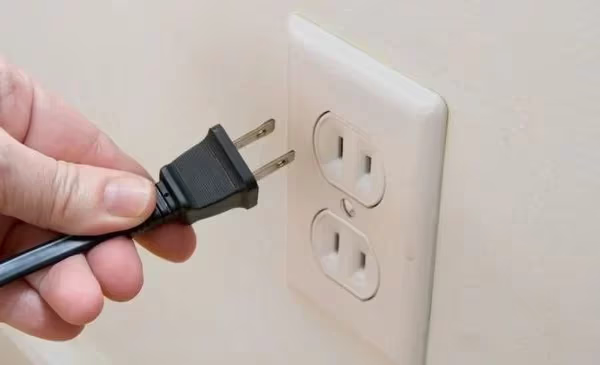
#1. Power Off and Disconnect the TV
The first step is to disconnect the power cord and shut down the TV to stop accessory heat generation. For severe overheating, give it 15-20 minutes to passively cool before reconnecting.
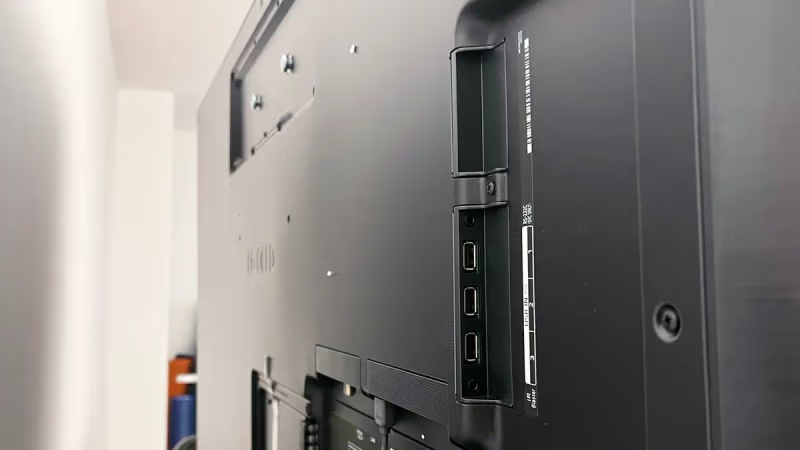
#2. Make Sure Vents Aren’t Blocked
Check that all built-in ventilation ports on the back and bottom of the TV have at least 3-4 inches of clearance and are unobstructed by objects, walls or cabinet doors. Improving airflow is key!
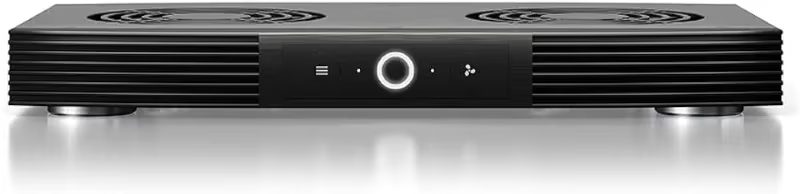
#3. Use an AC Infinity Aircom Cooling Fan
Adding an AC Infinity cooling fan inside your TV stand pulls hot air away and maintains a cooler, stable temperature. This can lower internal temps by up to 20° F.
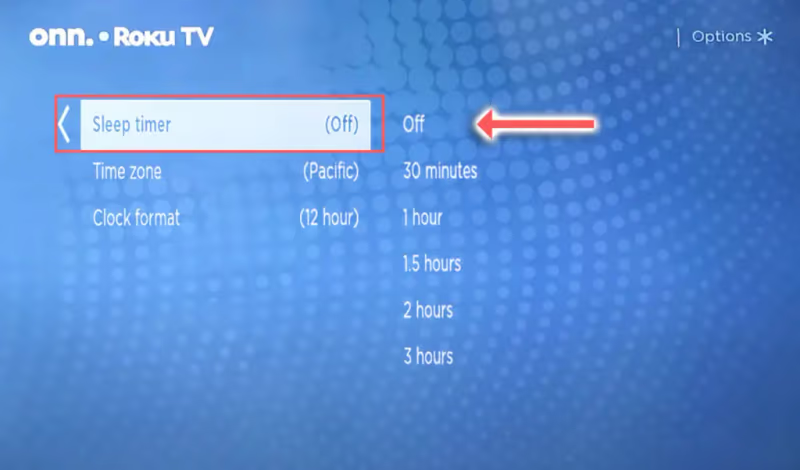
#4. Adjust Energy Use Settings
Changing settings like brightness, screen timeouts and sleep timers to use less energy results in less component heat output. Enable power saving mode and turn off when not in use to help resolve common onn Roku TV problems like repeated shutting down or failure to power on.
#5. Keep Firmware Updated
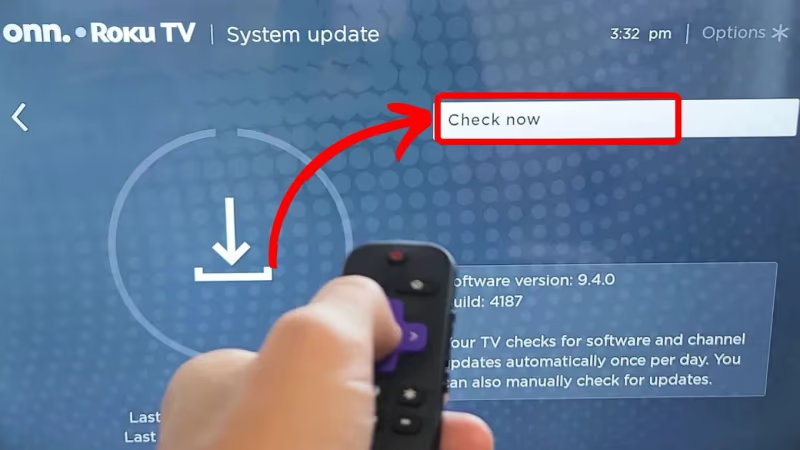
Buggy firmware can tax the system unnecessarily. Connect online and download the latest updates for smoother performance. Consider a factory reset if issues persist after the update to help separate hardware failures from software glitches.
Pro Tip: For extra assurance, get an IR thermometer to instantly check surface temps. Keep your Roku TV under 95° F whenever possible. Over 110° F risks damage!
#6 Preventative Steps to Avoid Future Overheating
Once you’ve cooled down your overheated Roku TV, keep taking these measures to promote longevity and help prevent repeat issues:
-
Position the TV away from direct sunlight exposure through windows. Use window blinds.
-
Make sure the back/sides have ≥4 inches clearance from other objects and walls.
-
Regularly vacuum vent intakes along the back and bottom to remove dust buildup.
-
Keep game consoles, receivers and other components outside the stand area.
-
Disable auto-brightness adjustments and limit peak brightness levels.
-
Turn off when not in use rather than leaving in standby mode overnight.
-
Routinely check for and install system updates. Do occasional onn Roku TV factory resets.
Using preventative positioning, cleaning and good usage habits greatly improves airflow and reduces overtaxing the components. Additional cooling accessories can also help if space is limited.
#3 Accessory Recommendations for Added Cooling
While adjustment steps should resolve most overheating issues, I recommend supplementing with these accessories for extra protection:
-
Roku TV Wall Mount: Wall mounting your Roku TV improves ventilation rather than using a media cabinet.
-
USB Cooling Fan: Plugging a USB air circulator fan into the TV’s USB port aims airflow at the internal components.
-
AC Infinity Cooling Fan: Draws out and expels warm air from surrounding stand or shelving area. Maintains cooler ambient temps.
Getting your onn Roku TV to maintain safe operating temps in the long run involves both resolving overheating issues promptly and changing positioning/settings for better airflow. Adding dedicated cooling fans takes prevention one step further for heavy usage.
#Bottom Line
-
Overheating stems from insufficient ventilation, heat sources, extended use patterns and outdated software.
-
Symptoms range from performance issues, A/V errors to abnormal noise and physical heat warnings.
-
Power off and improve air circulation immediately if overheating is detected.
-
Tweak settings like brightness and turn off when not in use to reduce energy expenditure and heat output.
-
Keep firmware updated, perform factory resets and change TV positioning to prevent repeat issues.
-
Supplement troubleshooting with AC Infinity fans, wall mounts and USB circulators for reliable heat management to stop annoying screen flickering or HDMI connectivity failures resulting from thermal throttling.
With mindful usage habits and a cooling plan in place tailored to your space, you can get the most out of your onn Roku TV for years to come without disruptive overheating shutdowns!
#Frequently Asked Questions
#Is it normal for my onn Roku TV to feel warm while running?
Some warmth is expected, but the TV should never feel uncomfortably hot. Internal temps up to 95°F are considered safe. If any surface exceeds 110°F, unplug the TV immediately and let it cool for at least 15-20 minutes before powering back on.
#How long should I unplug the TV to let it cool down?
Give the TV 15-20 minutes unplugged for severe overheating. This lets internal components passively return to safe operating temperatures. For mild warmth, 5-10 minutes may be enough.
#Should I replace my onn Roku TV if overheating errors keep coming back?
Not necessarily. Repeated overheating usually points to an environmental issue rather than a defective unit. Adding dedicated cooling accessories and prioritizing airflow can typically resolve the problem for good. If overheating persists after trying every fix listed above, contact onn support about a possible hardware fault.
#Can overheating cause permanent damage to my TV?
Yes. Prolonged exposure to high temperatures can damage sensitive chips, LED panels, and motherboard components. Over time, this shortens the TV’s usable lifespan and may cause irreversible display issues.
#Why does my onn Roku TV overheat only when streaming certain apps?
Some streaming apps demand more processing power than others. Apps running 4K HDR content push the processor harder, which generates more heat. Try lowering the streaming resolution to 1080p in the app settings and see if the overheating stops.
#Does wall mounting help prevent onn Roku TV overheating?
Wall mounting often helps because it exposes the back panel to open air instead of trapping heat inside a media cabinet. Make sure the mount leaves at least 2-3 inches of clearance between the TV back and the wall for adequate airflow.
#Is a burning plastic smell ever normal from my onn Roku TV?
No. A burning plastic odor likely indicates an internal electrical fault and overheated insulation at dangerous levels. Unplug the TV immediately, do not attempt to power it back on, and contact onn support about a replacement.
#What temperature is too hot for an onn Roku TV?
Surface temperatures above 110°F are cause for concern and risk component damage. For reference, normal operating temperature stays below 95°F. An inexpensive IR thermometer from Amazon or a hardware store lets you spot-check temps in seconds.