DIRECTV and Xfinity are two of the most popular premium TV providers in the U.S., but they differ in availability, channel packages, pricing and bundling options. This guide breaks down every major factor so you can pick the right one for your household.
- DIRECTV covers all 50 states — satellite delivery reaches rural areas where Xfinity cable infrastructure does not exist
- DIRECTV offers 75 to 150+ channels — base packages include premium networks like HBO Max and Starz free for 3 months
- Xfinity starts at $20/month — the Limited Basic plan costs $50 less per month than DIRECTV’s cheapest tier
- Genie DVR stores 200 hours — double the recording capacity of Xfinity’s Cloud DVR option
- Xfinity bundles TV, internet, phone and security — DIRECTV only pairs with AT&T Internet in select markets
#Introduction
When comparing premium TV providers like DIRECTV and Xfinity, there are a number of factors to weigh including availability, channel selection, features, technology, fees and bundles. This guide examines all the key details side-by-side to help you determine which is better suited for your household.
As background, DIRECTV offers satellite TV across all 50 states with some of the largest channel packages on the market. Xfinity uses cable TV infrastructure to provide service primarily in the Northeastern states.


Here is a quick overview of how the two TV providers stack up:
| DIRECTV | Xfinity | |
|---|---|---|
| Best Availability | Available nationwide | Available in 40 states |
| Top Channels | NFL Sunday Ticket, premium movie channels | Regional sports networks |
| Features | Advanced Genie DVR, 4K HDR | Flex streaming device, X1 Voice Remote |
| Contract Term | 2 years | No contract available |
Now let’s explore the details across the key decision factors.
#Where Are DIRECTV and Xfinity Available?
Satellite provider DIRECTV is accessible across all 50 states in the U.S. No matter where you live, you can get DIRECTV service with the right equipment setup.
Xfinity cable TV relies on physical cable infrastructure, so its availability is limited to regions serviced by Comcast cable lines. As of 2023, Xfinity TV is available in 40 states including popular cities like Chicago, San Francisco, Houston, Seattle, Miami and many Northeast corridor locations.
If you live in a rural area, DIRECTV is likely your only option since cable infrastructure has not reached many remote regions. Even in suburban neighborhoods, legacy copper wiring can limit internet speeds for providers like Xfinity. DIRECTV uses orbiting satellites to beam high-quality signals across wider geographies.
Winner: DIRECTV for national availability
#Channel Lineups and Packages
DIRECTV and Xfinity differ notably in channel count and the premier networks each includes.
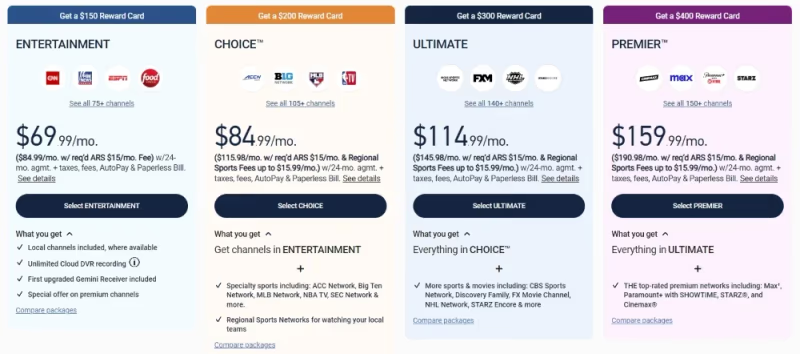
DIRECTV provides a choice of four base TV packages (ENTERTAINMENT, CHOICE, ULTIMATE, PREMIER) with between 75 and 150+ channels depending on tier selected. Even at the entry-level ENTERTAINMENT package, you get full access to specialty channels like MLB Network, FX Movie Channel and premiums like HBO Max, SHOWTIME and Starz for the first 3 months.
By comparison, Xfinity only offers two main TV packages (Popular and Extra) with 60 to 125+ channels. There is no option for premium channels like HBO or SHOWTIME built into core plans. You would need to subscribe to those streaming platforms separately.
One advantage with Xfinity is flexibility. Start with a skinny channel lineup and add on international, sports, movies and more down the road. DIRECTV requires selecting a core base package upfront.
For regional sports coverage, DIRECTV is the better choice, providing more RSNs to watch your local NBA, NHL and MLB teams. Xfinity does cater well to college sports fans with the Big Ten Network and SEC Network on all tiers.
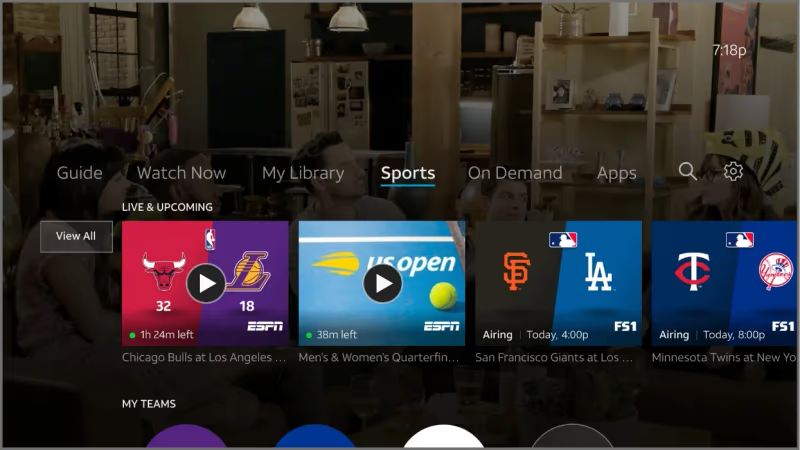
Here is a sampling of popular channels on DIRECTV vs Xfinity:
| Channel | DIRECTV | Xfinity |
|---|---|---|
| ESPN | ✅ | ✅ |
| HGTV | ✅ | ✅ |
| Discovery | ✅ | ✅ |
| Hallmark Channel | ✅ | ✅ |
| AMC | ✅ | ✅ |
| NFL Network | ✅ | ✅ |
| MLB Network | ✅ | ❌ |
| NBA TV | ✅ | ❌ |
Winner: DIRECTV for larger channel packages
#How Do Features and Technology Compare?
While channel selection is important, you also want a feature-packed experience with modern convenience and control.
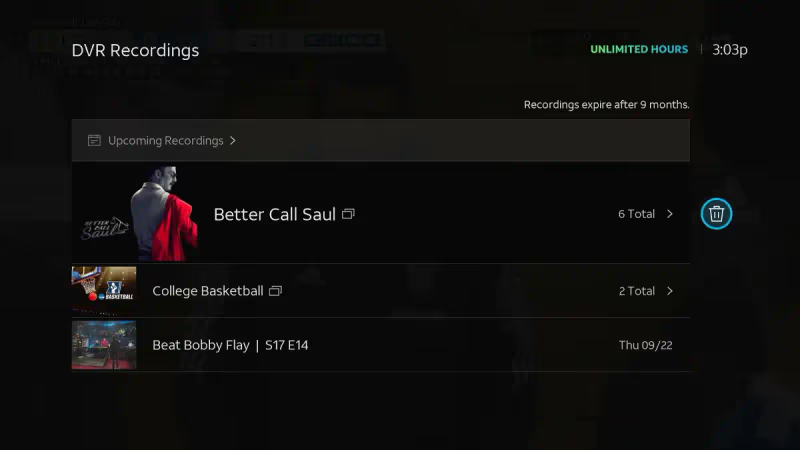
Both DIRECTV and Xfinity offer hundreds of On Demand titles to watch movies and shows whenever you want. DIRECTV uses advanced Genie DVRs that store up to 200 hours of programming, which is 2X the storage capacity of Xfinity. Playback and fast-forward controls are quicker with Genie as well.
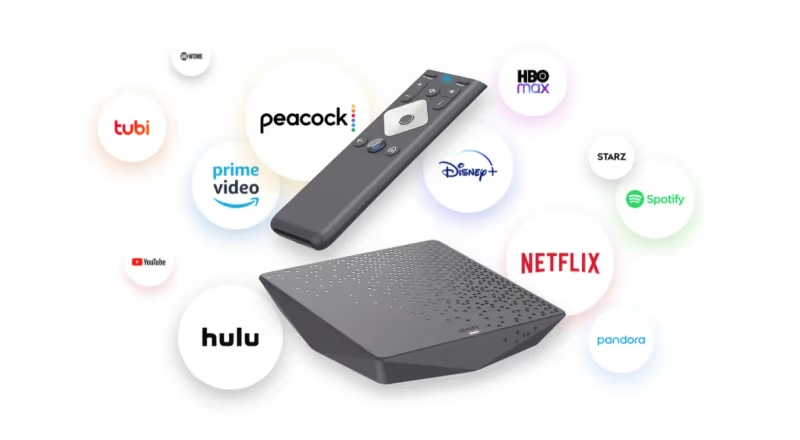
For streaming, Xfinity Flex gives you easy access to apps like Netflix, HBO Max and Prime Video. DIRECTV offers similar aggregator access along with support for 4K HDR picture quality with brighter colors and enhanced contrast. Xfinity does provide some 4K content through Flex but not for live programming.
Voice control works well with both providers. DIRECTV voice remotes respond to commands for searching shows, controlling playback and changing channels. Xfinity X1 remotes allow hands-free navigation and personalization based on voice ID.
Technology perks are well distributed between strong DVR storage from DIRECTV and user-friendly streaming device access from Xfinity.
Winner: Tie – great technology from both
#Costs and Fees
Pricing and fees are where satellite and cable providers differ the most. DIRECTV requires a 2-year contract on all TV packages while Xfinity offers more flexible no-contract options. The tradeoff is higher regular pricing without a long-term agreement.
Here is how DIRECTV and Xfinity costs break down across standard prices, extra fees and contract differences:
| DIRECTV | Xfinity | |
|---|---|---|
| Cheapest TV Package | $69.99/mo for ENTERTAINMENT package | $20/mo for Limited Basic |
| Premium Channel Price (HBO Max, Showtime) | Included for 3 months free | $15-$18/mo per premium |
| DVR Service Fee | $15/mo for Genie DVR | $10/mo for Cloud DVR |
| Contract Term | 2 years | No contract (prices higher) |
The biggest recurring fees to watch out for with DIRECTV are a Regional Sports Fee of up to $15/mo and $7/mo for each extra receiver box.
Xfinity goes beyond standard fees like regional sports and HD technology charges and tacks on broadcast TV fees ($10-$20) along with up to $19.45 in regulatory recovery fees. Equipment can also get expensive with Xfinity if you need extra TV boxes for $5-$15 each monthly.
Xfinity’s fees are far more numerous and harder to predict compared to DIRECTV’s primarily equipment-based charges. Be sure to account for all recurring monthly costs with both providers, not simply the initial package pricing.
Winner: DIRECTV lower recurring fees
#Which Provider Has Better Bundles?
Bundling DIRECTV or Xfinity TV service with home internet is where most consumers can save the most. But the bundling experience differs quite a bit.
Since DIRECTV does not offer home internet service directly, they steer customers towards partnering with AT&T Internet (where available). AT&T bundles include discounts up to $30/mo off your total bill along with equipment upgrades. One downside: AT&T internet speeds tend to max out around 100 Mbps in many regions.
Xfinity doubles as your TV provider AND internet service provider. Instead of two separate bills, you get a single integrated statement covering both TV programming and internet access. Bundles can save you up to $30/mo while providing speed tiers like 200, 400 and even 1 Gig.
Here is a sampling of Xfinity vs DIRECTV TV and internet bundles:
| Bundle | Price | TV Channels | Internet Speed |
|---|---|---|---|
| DIRECTV Choice + AT&T Internet 50 | $89.99/mo | 235+ channels | 50 Mbps |
| Xfinity Preferred TV + 200 Mbps Internet | $89.99/mo | 260+ channels | 200 Mbps |
A unique perk with Xfinity bundles: you can stack additional services like home phone, mobile phone plans and home security monitoring. DIRECTV allows adding internet but no other integrated services.
Winner: Xfinity more flexible bundles
#Customer Satisfaction
The American Customer Satisfaction Index surveys thousands of consumers across industries each year to produce satisfaction scores. Here is how DIRECTV and Xfinity have performed:
| Provider | 2022 Score | 2021 Score | 3 Year Average |
|---|---|---|---|
| DIRECTV | 66/100 | 66/100 | 66/100 |
| Xfinity | 65/100 | 66/100 | 62.6/100 |
Most customers have mediocre impressions of large television providers. DIRECTV tends to score higher on call center experiences and channel selection. Xfinity gets credit for bundling flexibility but often has below-average marks on pricing transparency.
Consumers feel lukewarm towards both DIRECTV and Xfinity. Competitive pressure from live TV streaming services like YouTube TV and Sling TV may push both providers to improve.
Winner: Tie – equally average satisfaction
#Which Provider Is Better For…
Beyond features and channels, the best premium TV provider depends on your viewing preferences. Here is a breakdown by use case:
For Sports Fans – DIRECTV offers unmatched access to live sports with NFL Sunday Ticket providing every out-of-market Sunday football game. You also get more regional sports networks to follow local team broadcasts. If you watch NFL on Fire TV, DIRECTV Stream is another option worth exploring.

For Movie Lovers – DIRECTV packs in premium channels like HBO, SHOWTIME, Starz, Cinemax and EPIX with the ability to subscribe on a standalone basis. Genie DVR storage ensures you never miss a premiere.
For Low Prices – Xfinity gives more bang for the buck if looking to minimize costs. The Limited Basic plan at only $20/month provides popular broadcast networks.
For Premium Channels – DIRECTV lets you add premium channels individually starting at $11/month. Most packages include HBO Max, SHOWTIME, Starz and Cinemax free for the first 3 months.
#FAQs
#Does DIRECTV require a contract?
Yes, DIRECTV requires a 2-year contract when you activate service. Canceling early means paying around $10-20 for each month remaining on the agreement.
#What is the cheapest Xfinity TV package?
Xfinity’s Limited Basic TV plan includes over 10 channels for $20/month. Local broadcast networks are not included at this entry-level tier. Expect to pay at least $30 more for Popular TV or Extra, which contain live local channels.
#Can I get NFL Sunday Ticket with Xfinity?
No, NFL Sunday Ticket is only available through DIRECTV. It lets you watch any out-of-market Sunday game from the early afternoon through late evening. There is no way to add it to an Xfinity plan.
#How much does DIRECTV cost per month?
DIRECTV starts at $69.99/month for the ENTERTAINMENT package with 75+ channels. The PREMIER tier with 150+ channels costs significantly more. Add $15/month for Genie DVR service and up to $15/month for the Regional Sports Fee.
#Does Xfinity offer a no-contract plan?
Xfinity does not require a long-term contract on most TV packages. You can cancel anytime without an early termination fee. The tradeoff is that no-contract pricing tends to be higher than promotional rates tied to agreements.
#What DVR comes with DIRECTV?
DIRECTV includes the Genie DVR system, which stores up to 200 hours of HD recordings. It supports playback on up to four screens at the same time. A $15/month HD fee applies for DVR service.
#Can I bundle Xfinity TV with internet?
Yes, and bundling is one of Xfinity’s biggest advantages. You get a single bill for TV and internet with savings up to $30/month. Xfinity also lets you stack home phone, mobile plans and home security monitoring into one package. See how Xfinity compares to Fios TV for another bundling perspective.
#How does DIRECTV compare to Roku live TV options?
DIRECTV offers far more channels than most Roku-based live TV services, but Roku devices cost less upfront and require no contract. For a detailed breakdown, see our Roku vs DIRECTV comparison.
#Bottom Line
-
DIRECTV provides better nationwide availability including rural regions
-
Larger channel packages come standard with DIRECTV
-
Genie DVR storage space is double what Xfinity offers
-
Xfinity enables flexible add-on channel bundles
-
Recurring fees pile up quicker with Xfinity
-
DIRECTV requires a 2-year service contract
-
Xfinity bundles integrate more services like home security
-
Customer satisfaction is mediocre for both providers
If you are weighing Xfinity against other options, see how Xfinity compares to YouTube TV or how Dish TV stacks up against Xfinity.
The choice between DIRECTV vs Xfinity for premium TV depends on your household’s needs. Favor DIRECTV for unmatched sports access and channel count. Select Xfinity for lower entry pricing and flexible bundling. Use this side-by-side analysis to decide the right fit.