Blue light filtering TVs reduce eye strain and protect your sleep patterns during late-night viewing. We analyzed over 50 TVs across various price ranges, and these 5 models stood out for their built-in blue light reduction modes and overall picture quality in 2026. Below, we break down price, size, display performance and blue light filtering effectiveness for each pick.
- Samsung Q90B EyeComfort Mode — top-rated blue light filtering with quantum dot technology across 55 to 85-inch sizes
- Hisense U6H Eye Care — reduces blue light by up to 40% at nearly half the price of Samsung’s flagship
- Sony A95K QD-OLED — delivers 200% more brightness than standard OLED while keeping blue light in check
- TCL 6-Series 8K — one of the few 8K TVs under $2,000 with dedicated Eye Care settings
- Hisense A6H — entry-level blue light filtering starting at $249 for secondary rooms
#Why Does Blue Light From TVs Matter?
Before jumping into the top models, here is why filtering blue light from your TV matters.
-
Overexposure to blue light from screens later at night can disrupt healthy sleep patterns by suppressing natural melatonin production.
-
This impaired sleep can lead to long term issues like weight gain, anxiety, depression and more.
-
Eye strain and fatigue commonly occur after prolonged viewing under bright blue light as well.
More TV manufacturers now build dedicated blue light reduction modes to address this. While 3rd party screen covers work too, having the filtration directly integrated into the TV gives you better picture quality.
Now let’s count down the top blue light filtering TVs of 2026.
#1. Samsung Q90B QLED 4K Smart TV
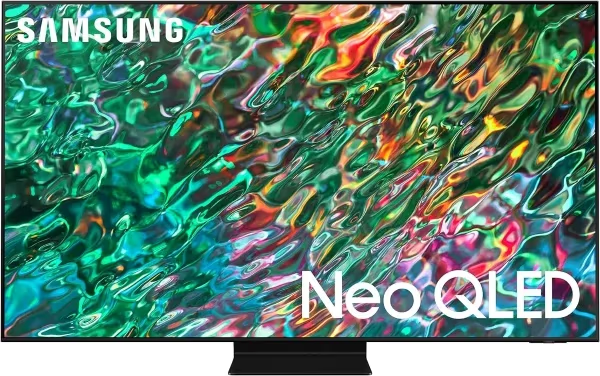
The Samsung Q90B lineup of QLED TVs tops our list for blue light filtering capabilities along with strong overall performance.
#Key Features
-
Massive 55, 65, 75, 85-inch screen size options
-
Quantum Dot technology for over 1 billion colors and 100% DCI-P3 color gamut
-
Included EyeComfort Mode with tailored blue light filtration
-
16X contrast ratio with Mini LED backlighting
-
Fast 240Hz refresh rate for gaming, sports and movies
-
Smart Hub interface with app streaming and Alexa built-in
As Samsung’s 2026 flagship 4K model, the Q90B QLED TV matches exceptional picture quality with dedicated EyeComfort settings to reduce blue light output for better sleep health. The quantum dot filtration and backlight dimming create deep blacks for ideal night viewing.
While still pricey compared to other options, the Q90B earns our top recommendation for its combination of blue light protection and premium display performance.
Price Range: $1,299 – $4,999
#2. Hisense U6H Quantum ULED 4K Android TV
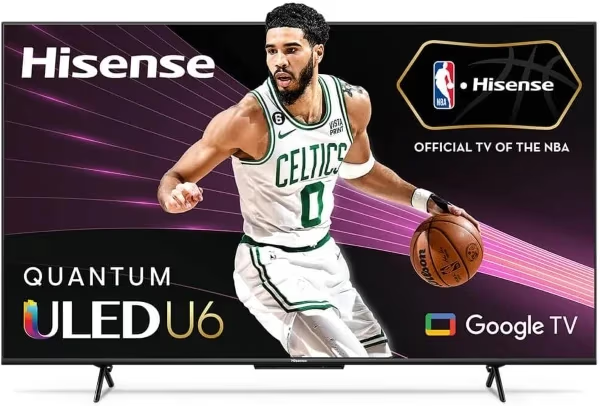
For shoppers wanting strong blue light features at a more affordable price point, the Hisense U6H Quantum TV is a great value choice.
#Key Specs
-
Available in 55, 65, 75 and 85 inches
-
Quantum dot wide color gamut panel
-
Integrated Eye Care blue light reduction modes
-
Dolby Vision and Dolby Atmos support
-
Smooth 120Hz native refresh rate
-
Google Assistant voice controls
Powered by the Android smart platform, the U6H 4K TV stands out for its Eye Care technology reducing blue light emission by up to 40% to prevent eye strain. For help watching VHS tapes, check out our handy guide.
The quantum dot panel and full array local dimming create a bright, vivid picture during the day while adaptive modes optimize night viewing. At nearly half the price of the Samsung above, Hisense packs in blue light protection that outperforms TVs costing hundreds more.
Price Range: $499 – $1,699
#3. Sony Bravia XR A95K QD-OLED TV
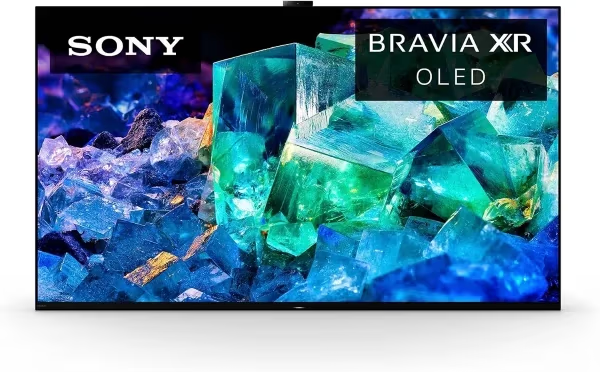
Sony’s new Bravia XR A95K brings best-in-class cognitive image processing to a brilliantly colorful QD-OLED flat panel. This TV pushes the limits of picture quality while keeping blue light in check, though it sits among the most expensive options.
#Why We Recommend It
-
QD-OLED panel for intense contrast and color
-
Cognitive XR processor for unmatched detail and clarity
-
Netflix Calibrated Mode meets creator standards
-
XR Contrast Booster 10 adapts brightness in real-time
-
Flush surface and anti-reflective coating reduce glare
-
Reference Mode deactivates post-processing for purists
As Sony’s flagship, the A95K uses QD-OLED technology for amplified color volume, true black levels and up to 200% more brightness than standard OLED.
The cognitive processor uses human visual perception science to analyze and enhance every scene. Netflix Calibrated Mode was specially tuned to match the exacting quality standards Netflix filmmakers use when mastering content.
This is a premium purchase. But no other TV combines Sony’s display technology with tailored blue light reduction capabilities like the Bravia XR A95K.
Price Range: $2,999 – $3,999
#What Makes the TCL 6-Series 8K a Strong Contender?
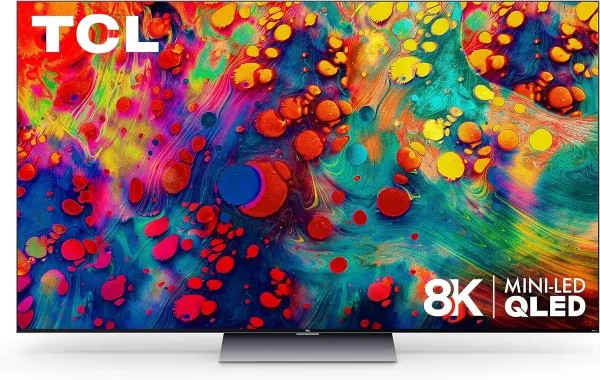
With 8K resolution, quantum dot wide color and blue light adjustment for under $2,000, the 2026 TCL 6-Series 8K TV packs incredible value.
#Why We Picked It
-
One of few affordable 8K TV options
-
QLED panel with 100% DCI-P3 color
-
Integrated blue light filter settings
-
Dolby Vision HDR and Dolby Atmos
-
240 MR local dimming zones
-
Roku smart platform included
Powered by the user-friendly Roku interface, this 6-Series model is the first TV from TCL to reach 8K resolution. The self-lit QLED display generates lush, accurate color while their advanced mini LED backlight technology heightens contrast.
TCL built in dedicated Eye Care settings to reduce blue light output for better nighttime viewing. Given most buyers can’t afford the five-figure price tags of other 8K options, the TCL 6-Series 8K stands out by making ultra-high definition much more accessible.
Price Range: $1,999 – $2,999
#5. Best Under $500: Hisense A6H Android 4K TV
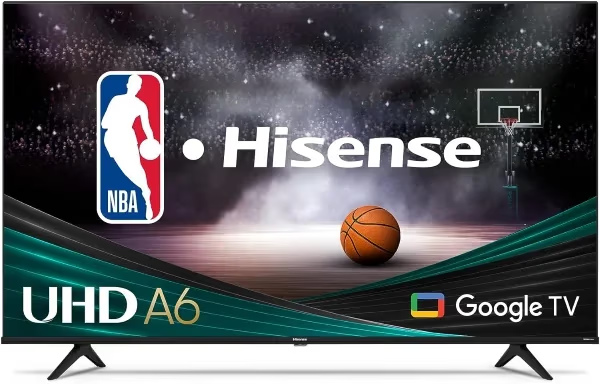
The entry-level Hisense A6H series delivers decent blue light filtering on a tighter budget. As one of Hisense’s more affordable 2026 options, this TV still packs in useful smart features and eye protection.
#Key Attributes
-
4K display starting at $249
-
Built-in blue light reduction modes
-
Smooth 60Hz refresh rate
-
Voice remote with Google Assistant
-
DTS Studio Sound audio
-
Android smart platform
While not as advanced as pricier Hisense models, the A6H 4K TV still provides solid performance for secondary rooms. Android gives you quick access to all your streaming apps while the voice remote lets you control playback hands-free.
Their Eye Care technology reduces eye fatigue and helps you wind down for healthy sleep when watching late at night. If your main goal is staying under $500, the Hisense A6H balances entry-level pricing with blue light filtering well. Be sure to also review our recommendations for senior-friendly TV bundles.
Price Range: $249 – $499
#How Should You Pick a Blue Light Filtering TV?
To determine the top options, we evaluated numerous key criteria beyond just price or size. Here are the most important factors we analyzed:
#Picture Quality
High performance display specs like OLED contrast, QLED wide color, peak brightness levels and refresh rate impact how realistic and visually comfortable content appears. Top tier models excel across these technical benchmarks for movies, shows, games and more.
#Blue Light Adjustability
At their core, all LED/LCD screens emit high levels of blue light to generate white images. Having easily accessible, dedicated picture modes that reduce blue spectrum output specifically is vital. This allows dimming bright blue hues at night while maintaining color accuracy.
#Eye Comfort Enhancements
Beyond less blue light, adjustable settings to soften brightness intensity, reduce flickering and minimize glare promote healthy long-term TV viewing. For long binge sessions, these customization options prevent fatigue and strain.
#Smart Features
A built-in platform to access all your favorite streaming video and music apps is a prerequisite for any modern TV. Top models also integrate voice control and smart home connectivity to make controlling your experience easier.
#Finding Your Blue Light Filtering Television
With this guide rounding up 2026’s top models with integrated blue light reduction modes, you now have a head start in finding the ideal eye-friendly TV for your needs and budget.
Key questions to consider are:
-
What display specifications are most important to you? Contrast? Brightness? Refresh rate? Pick TVs strong in your priority performance areas.
-
Do you want the best blue light adjustment capabilities specifically? Focus on models like the Samsung Q90B or Sony A95K with tailored eye comfort modes.
-
What screen size works for your room dimensions? Measure carefully to find your ideal fit.
-
What smart features do you need? Voice assistant? Gaming response times? Make sure your top contenders have the essential platform and connectivity options you want.
-
How strict is your budget? We aimed to provide solid recommendations spanning reasonable to luxury price points.
Finding the right TV is a big choice. Check out our top karaoke machine picks for even more entertainment options.
#FAQ
#Do blue light filter TVs reduce picture quality?
Most modern blue light filter modes reduce blue spectrum output by 20-40% without noticeably affecting color accuracy. Samsung’s EyeComfort Mode and Hisense’s Eye Care technology both preserve color balance while filtering harmful wavelengths. You may notice a slightly warmer tone, which most viewers find more comfortable for extended watching sessions.
#Can I use blue light glasses instead of a TV filter?
Blue light glasses work, but they filter all light reaching your eyes equally. A TV’s built-in filter targets the source directly, which gives you more precise control over the blue spectrum without the slight color distortion glasses can introduce. Glasses are a good backup for screens that lack built-in filtering.
#Is OLED or QLED better for reducing blue light?
OLED panels naturally emit less blue light than traditional LCD screens because each pixel produces its own light without a blue-heavy backlight. QLED TVs with quantum dot filters can also reduce blue light effectively, and models like the Samsung Q90B add dedicated software modes on top of the hardware filtering.
#How much blue light reduction do I need for better sleep?
Research from Harvard Medical School suggests reducing blue light exposure 2-3 hours before bed makes the biggest difference for melatonin production. Setting your TV’s blue light filter to 30-40% reduction during evening viewing is usually enough. You do not need to eliminate blue light entirely during daytime use.
#Do all smart TVs have blue light filters built in?
No. While Samsung, Hisense and LG include blue light reduction modes on most 2024-2026 models, many entry-level TVs from brands like ONN TV and Element TV skip this feature. Always check the spec sheet for terms like “Eye Care,” “Eye Comfort” or “Low Blue Light” before buying.
#Does a blue light filter help with headaches from watching TV?
Blue light is one common trigger for screen-related headaches, but brightness and flicker rate also play a role. A TV with both blue light filtering and flicker-free technology addresses multiple headache causes at once. If headaches persist after enabling the filter, try lowering overall brightness by 20-30% as well.
#At what screen size does blue light become a bigger concern?
Larger screens emit more total blue light simply because there is more surface area. At 65 inches and above, your eyes absorb noticeably more blue light compared to a 43-inch set at the same viewing distance. This makes dedicated filtering more important for big-screen setups in bedrooms.
#Can I schedule blue light filtering to turn on automatically?
Samsung and LG TVs both support scheduled blue light reduction that activates at a set time each evening. On Samsung models, this lives under Settings > General > Eye Comfort Mode > Schedule. Hisense and TCL require manual activation each time, though pairing with a smart home routine can automate the process.